

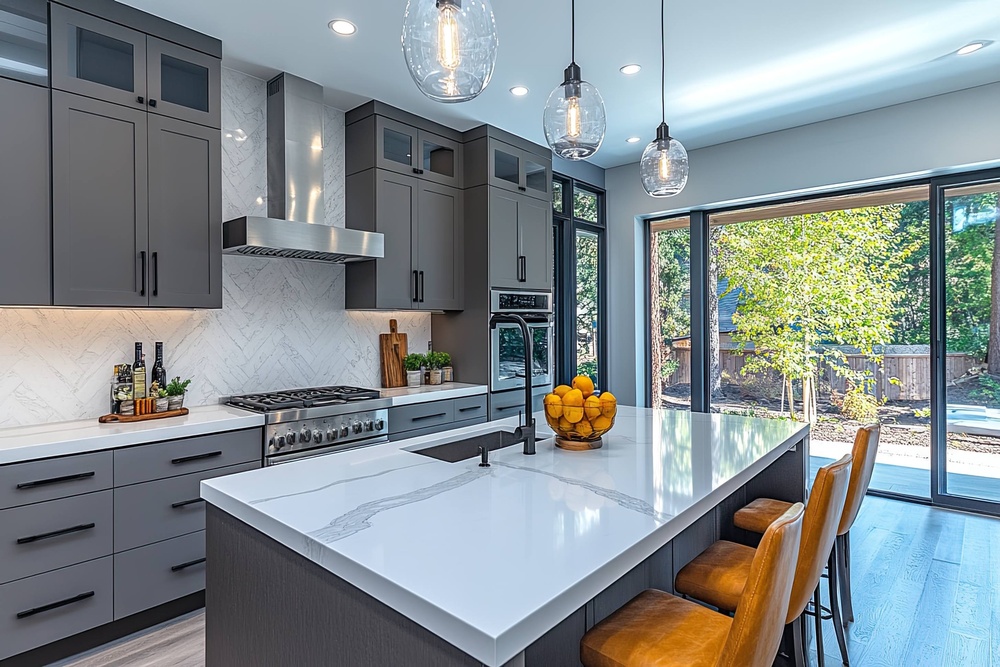
Homeowners tend to waste their renovation money on the wrong things. They follow trends, invest in unused features, and then get annoyed with their home. In the meantime, the neighbor who solved simple issues was happier and saved money.
Start With the Stuff That Drives You Nuts
You know that cabinet door that never stays closed? The toilet that runs all night? That corner where water pools every time it rains? Fix those first. These daily annoyances matter more than any Instagram-worthy upgrade.
People get seduced by glamorous renovations. They’ll install a $5,000 range while the upstairs shower barely dribbles water. They add smart home features while the front door sticks so bad that groceries get dropped during the struggle to open it. But here’s the truth – solving actual problems beats adding fancy features. Every time.
Take a week to observe what things make you swear silently. The garage door that needs three tries. The light switch in the wrong spot. That freezing cold floor in winter. Write it all down. You now have a renovation list that is actually significant.
Pick Materials That Won’t Look Stupid in Five Years
Remember when everyone had to have granite? Then it was concrete. Now it’s whatever that waterfall edge thing is. Next year, it’ll be something else. Chasing trends wastes money because you’ll hate it soon enough. Boring lasts longer. Wood floors from the 1940s still look good today. Basic subway tile works in any era. Simple painted cabinets never really go out of style. These safe choices might wow no one at first, but they keep working decade after decade.
Take countertops as an example. You could go wild with some exotic material that photographs beautifully. Or you could choose engineered surfaces from suppliers like Bedrock Quartz that handle hot pans, resist stains, and still look fresh after ten thousand breakfast preps. The flashy option might impress visitors initially, but the practical choice impresses you every morning when cleanup takes thirty seconds instead of thirty minutes.
Boring Upgrades That Print Money
Nobody throws parties to show off their new insulation. But that fluffy stuff in the attic drops heating bills by hundreds each winter. Same story with decent windows; they’re not sexy, but they stop cash from flying out through drafts.
A programmable thermostat sounds about as exciting as watching paint dry. Until you realize it’s saving fifty bucks monthly without you lifting a finger. LED bulbs? Yawn. However, they are incredibly durable and drastically reduce electricity expenses. Though they may not be glamorous, water-efficient fixtures offer lasting savings on your bills. Add up five years of savings from these invisible improvements. Now compare that to what you’d spend on some decorative upgrade that does nothing but look pretty. Numbers don’t lie.
Fix It Before It Breaks
Old pipes don’t warn you before they burst. Worn roofs don’t send notices before leaking. Ancient electrical panels just quietly increase fire risk every day. Replacing this stuff feels like throwing money away because nothing seems broken yet. But wait until something fails. Now you’re paying emergency rates. Water damage throughout the walls. Mold growing where nobody noticed the leak. Insurance claims, temporary housing, contractors who know they’ve got you desperate. That proactive replacement looks pretty smart now, doesn’t it?
Conclusion
Great renovations share a pattern. They fix actual problems, not theoretical ones. Materials are chosen based on performance over popularity. They cut future costs through efficiency, and they head off disasters before they happen. Forget the impressive projects and concentrate on changes that enhance the average Tuesday morning experience. While your house may not be winning any awards, you’ll love living there affordably.